
What a Technician Sees This Time of Year
A typical late-fall call starts the same way: a homeowner who's been away for the summer, or who simply hasn't touched the garage door much since hurricane season ramped up, presses the opener and gets a grinding noise, a door that stutters halfway up, or no response at all. When we get out there, we usually find the same culprits — rollers coated in a film of salt and humidity residue, a sensor knocked out of alignment by debris from an afternoon downpour, or hinges that have gone stiff and rusty after months of moisture exposure. None of it is dramatic, but all of it is the kind of wear that builds quietly through a long, wet summer and only shows up once the weather finally cools off and the door gets used on a regular schedule again.
Why 'Winter' Still Matters for a Garage Door Here
Winter in this part of Florida doesn't mean snow or freezing pipes, but it does mean a real shift: humidity drops, nights get cooler, rainfall slows down, and a lot of part-time residents come back and start using garages they've left closed for months. That combination — lower humidity after a soggy summer, occasional cold fronts, and doors waking up from a season of light or no use — is exactly when small problems get noticed. Metal components that swelled or corroded slightly during the humid months can bind or stick once temperatures drop and contract. Wood-composite doors that absorbed moisture may stick in their tracks until they dry out. It's a good natural checkpoint to look the whole system over before daily use ramps back up.
Check the Tracks and Rollers
Salt air and humidity are hard on metal tracks and rollers, even a few miles inland. Run a cloth along the tracks and look for rust spots, pitting, or a chalky white residue — all signs of corrosion that can make the door bind or run unevenly. Rollers that look worn, cracked, or flat on one side should be replaced rather than lubricated, since a bad roller can throw off the whole track alignment. Nylon rollers tend to hold up better against coastal moisture than steel ones.
Lubricate Before Things Get Stiff
A summer's worth of humidity can wash lubricant off moving parts or let it gum up with dust. Before cooler, drier weather sets in, apply a silicone-based garage door lubricant to the rollers, hinges, and springs — not WD-40, which attracts grit rather than repelling it. This single step prevents a lot of the squeaking and sticking that shows up once temperatures drop and metal parts contract slightly.
Inspect Weatherstripping and Seals
The rubber seal along the bottom of the door and the weatherstripping around the frame take a beating from sun, heat, and the afternoon storms common to this area. Cracked or brittle seals let in drafts during cooler nights and give pests an easy entry point as they look for warmth. Replacing worn weatherstripping is inexpensive and keeps both moisture and critters out through the drier months.
Test the Opener, Sensors, and Battery Backup
If your opener has a battery backup, test it now — it's worth knowing it works before you actually need it, and backups do degrade faster in heat and humidity. Wipe down the photo-eye sensors near the bottom of the track, since pollen, dust, and storm debris can collect on the lenses and cause the door to reverse unexpectedly or refuse to close. If the door doesn't respond consistently to the remote or wall switch, it's often a sensor alignment issue rather than a motor problem — but it's one that should be fixed before you're relying on the door daily again.
Check Balance and Listen for Odd Noises
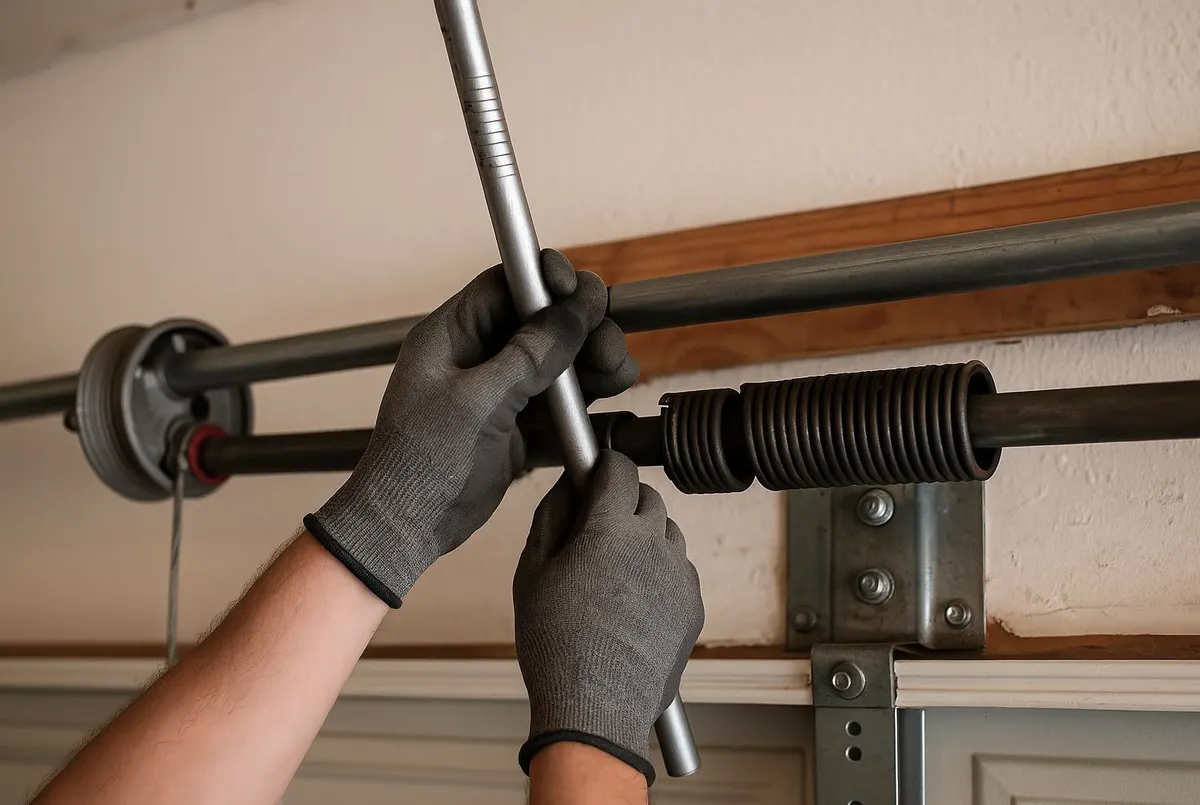
Disconnect the opener and lift the door by hand halfway. It should stay in place on its own; if it drops or shoots up, the spring tension is off and should be handled by a professional, not adjusted yourself. Grinding, popping, or scraping sounds during operation are also worth noting — they're often early signs of worn springs, cables, or rollers rather than something to ignore until it fails.
When to Call Plantation Door & Opener
If your door is sticking, slow, noisy, or just hasn't been checked since before hurricane season, it's a good time for a Garage Door Tune-Up & Maintenance visit — we'll inspect tracks, rollers, hardware, and the opener system, and catch the kind of humidity and salt-air wear that leads to bigger repairs later. If the door won't stay balanced or you hear a loud bang followed by the door refusing to move, that's usually a job for our Garage Door Spring Repair service, and not something to troubleshoot yourself.
Ready to get your garage door squared away before the season shifts? Call Plantation Door & Opener today — we serve Plantation, FL and the surrounding Broward County communities, and we'll have your door running smoothly before winter settles in.